-
Auteur :
 TCF Canada
- Dec 21, 2025
TCF Canada Test Centers: Complete Guide to Choose and Optimize Your Testing Experience
- Blog
- /
- Article
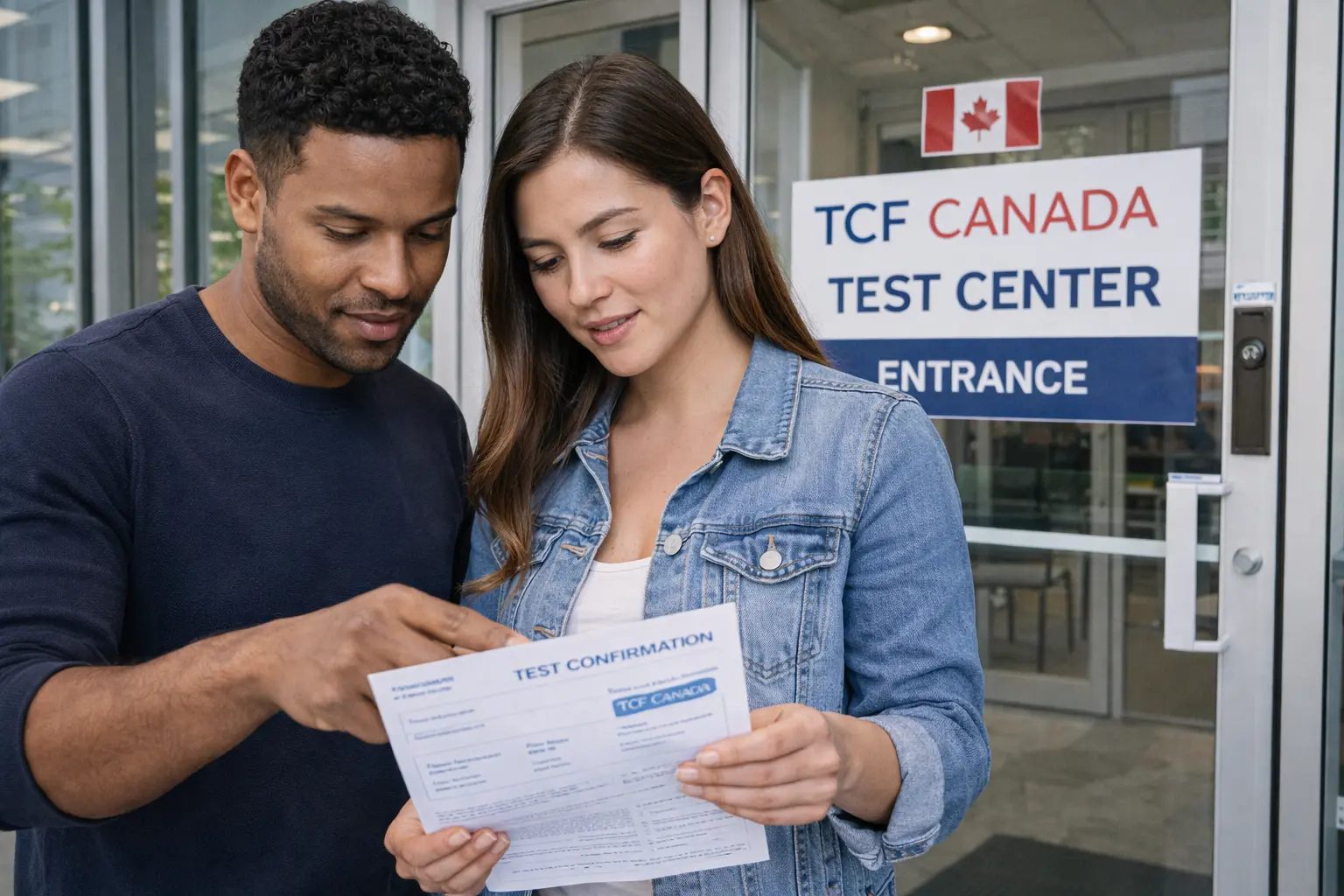
When Julien, a talented web developer from Lyon with excellent French skills and solid professional experience, wanted to register for his TCF Canada examination, he initially operated under the naive assumption that all authorized test centers were essentially equal in quality, organization, and experience. "I simply chose the first geographically convenient center near my residence without asking any critical questions, conducting any research, or considering any factors beyond proximity," he recounts with obvious regret. This seemingly innocuous, convenience-driven decision nearly compromised his entire test performance and, by extension, his Canadian immigration prospects. "On the actual test day, I found myself in a noisy, poorly organized room with faulty, outdated computer equipment and absolutely chaotic administrative organization. I lost approximately 20 precious minutes due to preventable technical problems, and my concentration suffered dramatically throughout the examination," Julien explains. Fortunately, he was able to retake the exam at a carefully researched, better-chosen center and successfully obtained the necessary scores for his immigration application. Now successfully settled in Montreal and thriving in his new career, Julien insists with conviction: "Test center choice directly and significantly influences your performance outcomes. It's a genuinely strategic decision that you absolutely shouldn't neglect or treat casually."
Understanding Why Test Center Selection Matters Critically
Choosing your TCF Canada test center constitutes a crucial strategic decision that can significantly impact both your actual performance results and your overall testing experience in ways that extend far beyond simple geographic convenience. Beyond mere physical proximity to your residence, numerous critical factors collectively determine the quality of your examination environment: technical infrastructure sophistication and reliability, logistical organization efficiency, general testing atmosphere and ambiance, available ancillary services, and overall professional standards. A thoughtful, research-based center selection process, combined with comprehensive optimal logistical preparation, can provide you with a decisive competitive advantage on test day—transforming a potentially stressful experience into a controlled, manageable process.
Critical Reality About Test Centers: While all officially authorized TCF Canada test centers must meet minimum baseline standards established by France Éducation international, the variation in actual quality, organization, equipment sophistication, and overall candidate experience can be substantial—sometimes dramatically so. These differences directly impact your psychological state, concentration quality, and ultimately your test performance and scores.
Comprehensive Test Center Panorama in France and Worldwide
Geographic Distribution and Accessibility Analysis
France maintains a relatively dense, well-distributed network of TCF Canada authorized test centers spanning most major cities and many regional centers, but their individual quality characteristics, organizational sophistication, technical infrastructure, and overall candidate experience vary considerably—sometimes dramatically—from one location to another. Sophie, an experienced French language teacher who has personally supervised several test center opening procedures and ongoing operations, provides this crucial insider perspective: "While all officially approved centers must theoretically respect minimum operational standards established by France Éducation international, the practical differences in equipment quality, organizational efficiency, physical environment comfort, and overall candidate experience can be absolutely substantial. These variations directly and significantly impact candidate experience quality, psychological comfort, and ultimately test performance outcomes."
Detailed Regional Distribution and Characteristics:
| Region | Number of Centers | Session Frequency | Primary Characteristics | Typical Capacity | Booking Difficulty |
|---|---|---|---|---|---|
| Île-de-France (Paris area) | 12 active centers | 2-3 times monthly | High demand, modern equipment, competitive environment | 20-40 candidates per session | High - book 2-3 months ahead |
| Auvergne-Rhône-Alpes | 8 active centers | 2 times monthly | University-based centers, good quality, academic atmosphere | 15-30 candidates per session | Moderate - book 1-2 months ahead |
| Occitanie | 6 active centers | 1-2 times monthly | Mixed center types, variable capacities and quality | 10-25 candidates per session | Moderate - book 1-2 months ahead |
| Provence-Alpes-Côte d'Azur | 5 active centers | 2 times monthly | Pleasant environment, generally well-organized | 15-25 candidates per session | Low-Moderate - book 1 month ahead |
| Other regions combined | 15 active centers | 1 time monthly | Limited capacities, require significant advance booking | 8-20 candidates per session | Variable - book 1-2 months ahead |
Geographic Strategy Consideration: If you live in a region with limited testing frequency (monthly or less), consider the strategic option of traveling to a nearby major city with more frequent sessions. The additional travel cost and logistical complexity may be offset by greater scheduling flexibility, potentially superior facilities, and the ability to choose optimal testing dates that align with your preparation timeline.
Test Center Typology: Understanding the Five Main Categories
TCF Canada authorized test centers fall into several distinct institutional categories, each presenting characteristic advantages, typical disadvantages, and distinctive operational patterns. Marc, a management consultant who strategically tested the examination at three fundamentally different center types before making his final selection, shares his detailed comparative analysis: "I deliberately tested sessions at a traditional university center, a private commercial training center, and an Alliance française cultural center. Each institutional environment offered a distinctly different experience with its own specific advantages, characteristic limitations, and unique atmosphere."
Comprehensive Center Type Analysis:
1. University-Based Centers
- Typical Characteristics:
- Solid, reliable technical infrastructure with institutional support
- Academic, serious testing atmosphere
- Often austere, functional rather than comfortable facilities
- Experienced administration familiar with high-stakes testing
- Primary Advantages:
- Robust, well-maintained equipment with IT department support
- Professional, experienced examination proctors
- Institutional stability and reliability
- Generally good accessibility via public transportation
- Potential Disadvantages:
- Sometimes intimidating academic environment
- Limited weekend or evening availability
- Basic waiting areas and amenities
- Bureaucratic administrative procedures
- Best For: Candidates comfortable with academic settings; those seeking institutional reliability
2. Alliance Française Centers
- Typical Characteristics:
- Deep French language teaching expertise and cultural knowledge
- Welcoming, culturally-oriented atmosphere
- Variable equipment quality depending on center funding
- Strong focus on francophone culture and community
- Primary Advantages:
- Warm, supportive environment with language expertise
- Staff genuinely invested in candidate success
- Cultural resources and preparation materials often available
- Generally pleasant physical environments
- Potential Disadvantages:
- Equipment quality varies significantly by location
- Smaller centers may have limited technical support
- Capacity constraints in popular locations
- Funding limitations may affect facility quality
- Best For: Candidates seeking supportive atmosphere; those valuing cultural immersion
3. Private Training Centers
- Typical Characteristics:
- Strong customer service orientation and responsiveness
- Modern, well-maintained equipment and facilities
- Professional, business-oriented environment
- Often higher costs reflecting premium services
- Primary Advantages:
- Latest technology and equipment
- Professional, efficient administrative processes
- Comfortable waiting areas and amenities
- Flexible scheduling options including evenings/weekends
- Responsive customer service and support
- Potential Disadvantages:
- Significantly higher examination fees
- Sometimes commercial, impersonal atmosphere
- May prioritize efficiency over candidate comfort
- Best For: Candidates prioritizing convenience and comfort; professionals willing to invest more
4. Chamber of Commerce and Industry Centers
- Typical Characteristics:
- Professional business environment
- Good quality equipment maintained for professional training
- Rigid, structured scheduling and procedures
- Business-oriented atmosphere
- Primary Advantages:
- Reliable, professionally-maintained equipment
- Efficient, business-like organization
- Generally good locations in business districts
- Professional proctoring standards
- Potential Disadvantages:
- Limited scheduling flexibility
- Sometimes formal, impersonal environment
- Weekend availability may be limited
- Best For: Professionals seeking business environment; candidates valuing efficiency
5. Association and Community Centers
- Typical Characteristics:
- Friendly, community-oriented atmosphere
- Attractive, competitive pricing
- Limited technical and financial resources
- Variable facility quality
- Primary Advantages:
- Lower examination fees
- Warm, supportive environment
- Personal attention and care
- Community connection
- Potential Disadvantages:
- Equipment may be older or less reliable
- Limited technical support capacity
- Smaller, potentially cramped facilities
- Less frequent testing sessions
- Best For: Budget-conscious candidates; those valuing community atmosphere
Critical Strategic Selection Criteria
Comprehensive Technical Infrastructure Assessment
Technical infrastructure quality and reliability constitute absolutely determining factors for your test performance, particularly given that TCF Canada is administered entirely via computer. Thomas, an IT engineer who successfully relocated to Toronto, strongly recommends a systematic technical audit approach: "Before making my final center selection, I personally visited three potential centers and conducted detailed evaluations. I systematically assessed computer quality and age, audio headset functionality and comfort, internet connection stability and speed, physical room lighting adequacy, and even seemingly minor details like chair ergonomics and desk space."
Thomas's Comprehensive Technical Evaluation Checklist:
Computer Equipment Assessment:
- Hardware Age and Condition:
- Computers less than 3 years old (verify manufacture date if possible)
- Adequate processing power (minimum Intel i5 or equivalent)
- Sufficient RAM (minimum 8GB for smooth operation)
- Responsive keyboards and mice in good condition
- Clean, well-maintained monitors with no dead pixels
- Performance Indicators:
- Fast boot times and application loading
- No visible lag when typing or navigating
- Stable operation without freezing or crashing
- Professional software installation and configuration
Audio Equipment Evaluation:
- Headset Quality:
- Professional-grade over-ear headphones (not earbuds)
- Clear sound reproduction without static or distortion
- Comfortable padding that doesn't cause pressure or pain
- Adjustable headband for proper fit
- Easily accessible volume controls
- Microphone Performance:
- Clear voice recording without background noise
- Adjustable microphone positioning
- Noise-canceling technology when available
- Testing capability before examination begins
Network Connectivity Assessment:
- Internet Connection:
- High-speed fiber or cable connection (minimum 50 Mbps)
- Dedicated line for examination computers
- Backup internet connection for redundancy
- Regular connectivity monitoring and maintenance
- System Reliability:
- Automatic backup systems to prevent data loss
- Uninterruptible power supply (UPS) for power outages
- Regular system updates and security patches
- Data encryption and security protocols
Physical Environment Evaluation:
- Lighting Quality:
- Adequate natural or artificial lighting (not too bright, not too dim)
- No glare on computer screens
- Consistent lighting throughout room
- Emergency lighting systems
- Climate Control:
- Consistent, comfortable temperature (20-22°C / 68-72°F)
- Adequate ventilation and air circulation
- No drafts or temperature fluctuations
- Humidity control to prevent equipment issues
- Acoustic Environment:
- Soundproofing or acoustic treatment to minimize external noise
- Adequate spacing between test stations
- No echoing or acoustic problems
- Isolation from hallway and street noise
Technical Support Availability:
- IT technician physically present during all testing sessions
- Clear procedures for reporting and resolving technical issues
- Spare equipment available for immediate replacement
- Documented technical support protocols
- Emergency contact procedures
Thomas's Critical Insight: "During my reconnaissance visits, I specifically asked to see the actual testing room where I would take my exam—not just a demonstration room or waiting area. I also inquired about their technical incident rate and how they handle equipment failures. Centers that were transparent and had clear protocols earned my confidence; those that seemed evasive or unprepared raised red flags."
Organization and Service Quality Analysis
Beyond technical infrastructure, center organization quality and ancillary service availability significantly influence your overall examination experience, psychological comfort, and ultimately your performance. Caroline, an experienced project manager who took TCF Canada examinations at four different European centers during her multi-year immigration process, emphasizes these often-overlooked organizational aspects: "A genuinely well-organized center provides candidates with confidence and psychological security that allows you to focus exclusively and completely on your test performance. Conversely, poor organization, communication failures, or logistical chaos generates unnecessary stress, distraction, and anxiety that can substantially affect your concentration and results."
Comprehensive Organizational Quality Assessment:
| Organizational Criterion | Performance Impact | Quality Indicators to Observe | Red Flags to Avoid |
|---|---|---|---|
| Reception and Candidate Information | Stress reduction, confidence building | Trained staff, clear communication, professional greeting, organized check-in | Confused staff, unclear directions, disorganized reception, unprofessional behavior |
| Schedule Management and Punctuality | Time optimization, respect for candidates | Sessions start on time, minimal delays, realistic scheduling, buffer time between sessions | Chronic delays, overbooking, rushed procedures, overlapping sessions |
| Waiting Spaces and Amenities | Comfort, relaxation, pre-test preparation | Comfortable seating, adequate space, quiet atmosphere, climate control, restrooms | Overcrowding, noise, uncomfortable seating, inadequate facilities, poor cleanliness |
| Ancillary Services | Logistical facilitation, convenience | Parking available, nearby restaurants, public transport access, secure storage | No parking, poor location, no food options, no secure storage for belongings |
| Technical Support Responsiveness | Rapid problem resolution, minimal disruption | IT staff present, clear protocols, backup equipment, quick response times | No technical support, slow responses, no backup plans, repeated technical failures |
| Communication and Information | Clarity, preparation confidence | Clear pre-test instructions, detailed confirmation emails, responsive to inquiries | Vague communications, unresponsive to questions, contradictory information |
Systematic Search and Selection Strategies
Émilie's In-Depth Multi-Phase Investigation Method
Optimal center selection requires methodical, multi-phase investigation that extends far beyond superficial review of official promotional information and website descriptions. Émilie, a management consultant who successfully relocated to Vancouver, developed and implemented a comprehensive structured inquiry approach over six weeks: "I absolutely refused to settle for official marketing descriptions and promotional materials. I systematically contacted multiple former candidates for detailed firsthand experiences, consulted online reviews across various platforms, visited TCF preparation forums for insider perspectives, and even conducted personal reconnaissance visits to my top three candidate centers."
Émilie's Complete Five-Phase Investigation Methodology:
Phase 1: Documentary Research and Initial Screening (Week 1)
- Official Information Gathering:
- Visit France Éducation international official website for authorized center list
- Review each center's official website, brochures, and promotional materials
- Collect data on: pricing structure, session frequency, booking procedures, cancellation policies
- Create spreadsheet comparing basic information across 5-8 potential centers
- Geographic and Logistical Feasibility:
- Map travel distance and transportation options for each center
- Calculate total travel time including traffic at test day time
- Identify nearby accommodation options if overnight stay needed
- Assess parking availability and public transportation access
- Initial Shortlist Creation:
- Narrow to 3-5 centers based on feasibility and initial impression
- Rank candidates by geographic convenience, apparent quality, and cost
Phase 2: Candidate Review and Experience Research (Week 2-3)
- Online Review Analysis:
- Search specialized TCF Canada preparation forums (French and English)
- Join Facebook groups dedicated to Canadian immigration and TCF preparation
- Read Google reviews and testimonials (with critical eye for authenticity)
- Look for patterns in complaints or praise across multiple reviewers
- Direct Testimonial Collection:
- Post inquiries in immigration forums requesting experiences with specific centers
- Contact test preparation tutors who may have insider knowledge
- Reach out to recent test-takers via LinkedIn or professional networks
- Compile detailed notes on recurring themes and specific issues mentioned
- Key Questions to Ask Former Candidates:
- Exam environment: Noise level? Comfort? Distractions?
- Technical quality: Equipment reliability? Any problems encountered?
- Organization: Punctuality? Clear instructions? Professional staff?
- Staff competence: Helpful? Knowledgeable? Responsive to issues?
- Overall recommendation: Would they choose this center again? Why or why not?
Phase 3: Reconnaissance Visit and Environmental Assessment (Week 4)
- Physical Location Visit:
- Visit center during business hours (preferably when tests are occurring)
- Observe general atmosphere, cleanliness, professionalism
- Request tour of facilities including testing rooms if possible
- Assess accessibility, parking, nearby amenities
- Staff Interaction Assessment:
- Engage with reception staff to evaluate professionalism and helpfulness
- Ask detailed questions about testing procedures and equipment
- Observe how they handle other visitors and inquiries
- Request information about their technical support protocols
- Environment Quality Evaluation:
- Note building condition, cleanliness, maintenance quality
- Assess noise levels from surrounding environment
- Check lighting, temperature, air quality in waiting areas
- Observe other candidates or students for atmosphere insights
Phase 4: Direct Contact and Detailed Inquiry (Week 5)
- Phone or Email Communication:
- Contact center administration with specific technical questions
- Inquire about: Equipment specifications, technical support availability, backup procedures
- Ask about recent facility upgrades or equipment replacements
- Request information about average number of candidates per session
- Evaluate responsiveness and quality of information provided
- Specific Logistical Questions:
- What identification documents are required? (exact specifications)
- What items are prohibited in testing room?
- What is arrival time requirement before test start?
- What happens if technical problems occur during test?
- How are test disruptions or delays handled?
Phase 5: Comparative Analysis and Final Decision (Week 6)
- Multi-Criteria Comparison Table:
- Create detailed spreadsheet scoring each center on 10+ criteria
- Weight criteria by personal importance (technical quality, organization, cost, etc.)
- Calculate weighted scores for objective comparison
- Scoring Criteria (1-5 scale for each):
- Technical infrastructure quality
- Organizational professionalism
- Staff competence and helpfulness
- Physical environment comfort
- Location and accessibility
- Cost and value
- Candidate reviews and testimonials
- Scheduling flexibility and availability
- Technical support and backup systems
- Overall impression and confidence level
- Final Decision:
- Select top-ranked center based on weighted analysis
- Identify backup center as contingency option
- Proceed with booking at optimal available date
Émilie's Reflection: "This six-week investigation process might seem excessive to some candidates, but it gave me complete confidence in my center choice and eliminated a major anxiety source. On test day, I arrived knowing exactly what to expect, where everything was located, and that I had chosen the optimal environment for my success. That psychological confidence alone was worth the investigation time investment."
Comprehensive Logistical Optimization and Practical Preparation
Transportation and Accommodation Strategic Planning
Optimal logistical planning systematically eliminates preventable stress sources and guarantees your arrival at the test center in optimal physical and mental condition. Laurent, an engineer from Nantes who successfully relocated to Ottawa, shares his systematic military-precision approach: "I planned my test day travel and logistics like a critical mission where failure was not an option. Every conceivable detail was anticipated, contingencies were prepared, and backup plans were established to avoid any unforeseen circumstances that could have affected my performance or even prevented me from taking the exam."
Laurent's Complete Logistical Preparation Checklist:
Transportation Planning (3-4 weeks before test):
- Primary Route Planning:
- Map optimal route using GPS/navigation app
- Calculate travel time at exact test day time of day
- Add 50% safety margin for unexpected delays (e.g., 40-minute drive = plan 60 minutes)
- Identify traffic patterns, construction zones, typical congestion points
- Note locations of gas stations along route
- Backup Route Identification:
- Map at least one complete alternative route
- Verify backup route avoids same potential bottlenecks
- Save both routes in phone GPS for quick access
- Print physical maps as technology backup
- Public Transportation Option:
- Research public transit routes even if planning to drive
- Know bus/train schedules and have fare ready
- Identify nearest stations to test center
- Have taxi/rideshare apps ready as ultimate backup
Accommodation Arrangements (if traveling from distance):
- Hotel Selection Criteria:
- Within 10-15 minutes of test center
- Quiet location conducive to good sleep
- Confirmed reservation with cancellation insurance
- Good reviews for cleanliness and comfort
- Reliable breakfast service or nearby restaurants
- Timing Strategy:
- Arrive evening before test (not day of test)
- Allows familiarization with area and relaxation
- Eliminates long-distance travel stress on test morning
- Provides time for reconnaissance visit to center
Reconnaissance Visit (1-3 days before test):
- Location Familiarization:
- Visit center exterior to confirm exact location
- Identify building entrance and reception area
- Note nearby parking options and availability
- Locate restrooms, cafés, pharmacies in vicinity
- Test actual travel time from accommodation/home
- Area Services Identification:
- Find restaurants for pre-test breakfast
- Locate pharmacy for emergency needs
- Identify quiet spaces for last-minute review
- Note ATM locations if cash needed
Material Preparation and Document Verification (1 week before):
- Required Documents Checklist:
- Valid photo identification (passport or national ID)
- Test center summons/confirmation email (printed copy)
- Payment confirmation receipt
- Backup photocopy of all documents
- Digital copies stored on phone
- Prohibited Items Awareness:
- Review center's prohibited items list carefully
- Plan secure storage for phone, bags, study materials
- Bring minimal personal items to avoid complications
- Emergency Contact Information:
- Test center phone number saved in phone
- France Éducation international emergency contact
- Backup contact for family/friend in case of delay
Optimal Arrival Timing Strategy:
- Plan arrival 45-60 minutes before official summons time
- Allows time for: Parking/transportation, locating room, check-in procedures, restroom visit, mental preparation
- Reduces anxiety from rushing or being late
- Provides buffer for unexpected minor delays
Marie's Optimized Test Day Morning Routine
On examination day itself, meticulous practical preparation and a structured routine allows you to focus exclusively on test performance rather than logistical concerns. Marie, a pharmacist from Bordeaux who successfully relocated to Montreal, developed and refined an optimized hour-by-hour routine through multiple practice sessions: "I created a precise, detailed routine for my examination morning covering everything from waking time through entering the testing room. This preparation protocol gave me tremendous confidence, eliminated decision fatigue, and created a sense of calm control and serenity even though I was naturally nervous about the test itself."
Marie's Complete Test Day Timeline:
6:00 AM - Stress-Free Wake-Up and Morning Preparation:
- Set multiple alarms (phone + backup alarm clock)
- Gentle wake-up without rushing or stress
- Shower and complete morning routine calmly
- Wear comfortable, confidence-boosting clothing (tested previously, nothing new)
6:30 AM - Balanced Breakfast and Hydration:
- Eat familiar, balanced breakfast (nothing experimental)
- Include protein and complex carbohydrates for sustained energy
- Adequate hydration but not excessive (to minimize restroom needs)
- Avoid excessive caffeine that might increase anxiety
7:00 AM - Light Review (15 minutes maximum):
- Quick visual review of key structural frameworks (SALP, SCORE, PEEL)
- Glance at advanced connector list
- Review 1-2 model responses for confidence
- NO intensive studying - trust your preparation
7:30 AM - Final Material Preparation and Verification:
- Verify all required documents in bag
- Double-check identification validity
- Ensure phone charged but ready to turn off
- Pack water bottle, tissues, any permitted items
8:00 AM - Departure with Safety Margin:
- Leave accommodation/home for test center
- Use pre-planned route with GPS backup
- Calm music or silence during travel (no stressful news/radio)
- Positive mental preparation and visualization
8:45 AM - Center Arrival and Location Orientation:
- Arrive at test center building
- Park or complete public transportation journey
- Brief walk around area for final orientation
- Identify restroom locations
- Find quiet corner for brief mental preparation
9:00 AM - Check-In and Mental Preparation:
- Present at reception for registration
- Complete check-in procedures calmly
- Store prohibited items securely
- Use restroom before entering testing room
- Brief breathing exercises (4-7-8 technique)
- Positive self-affirmation: "I am prepared and ready to succeed"
9:15-9:30 AM - Final Waiting and Focus:
- Sit calmly in waiting area
- Avoid anxious conversations with other candidates
- Mental visualization of successful performance
- When called, enter testing room with confidence
Marie's Key Insight: "The routine's value wasn't just practical organization—it was psychological. By following the exact same protocol I had practiced multiple times during my preparation phase, test day morning felt familiar and controlled rather than chaotic and frightening. This psychological comfort was as valuable as any technical preparation."
International Specificities and Test Centers Abroad
TCF Canada Centers Across Europe
For European candidates not residing in France, several countries throughout Europe offer TCF Canada examination opportunities at authorized centers. David, a consultant based in London who successfully relocated to Toronto, systematically compared multiple European options before making his strategic choice: "I carefully deliberated between taking my examination in London, Brussels, or Paris. Each option presented distinctly different advantages and disadvantages in terms of total cost structure, logistical complexity, facility quality, and overall convenience."
Comprehensive European Test Center Analysis:
| Country | Available Centers | Session Frequency | Primary Advantages | Notable Disadvantages | Approximate Cost Range |
|---|---|---|---|---|---|
| United Kingdom | 3 centers (London, Manchester, Edinburgh) | 1-2 times monthly | Geographic proximity for UK residents, English administrative language | Very high examination fees (£350-400), limited available places, advance booking essential | €400-450 |
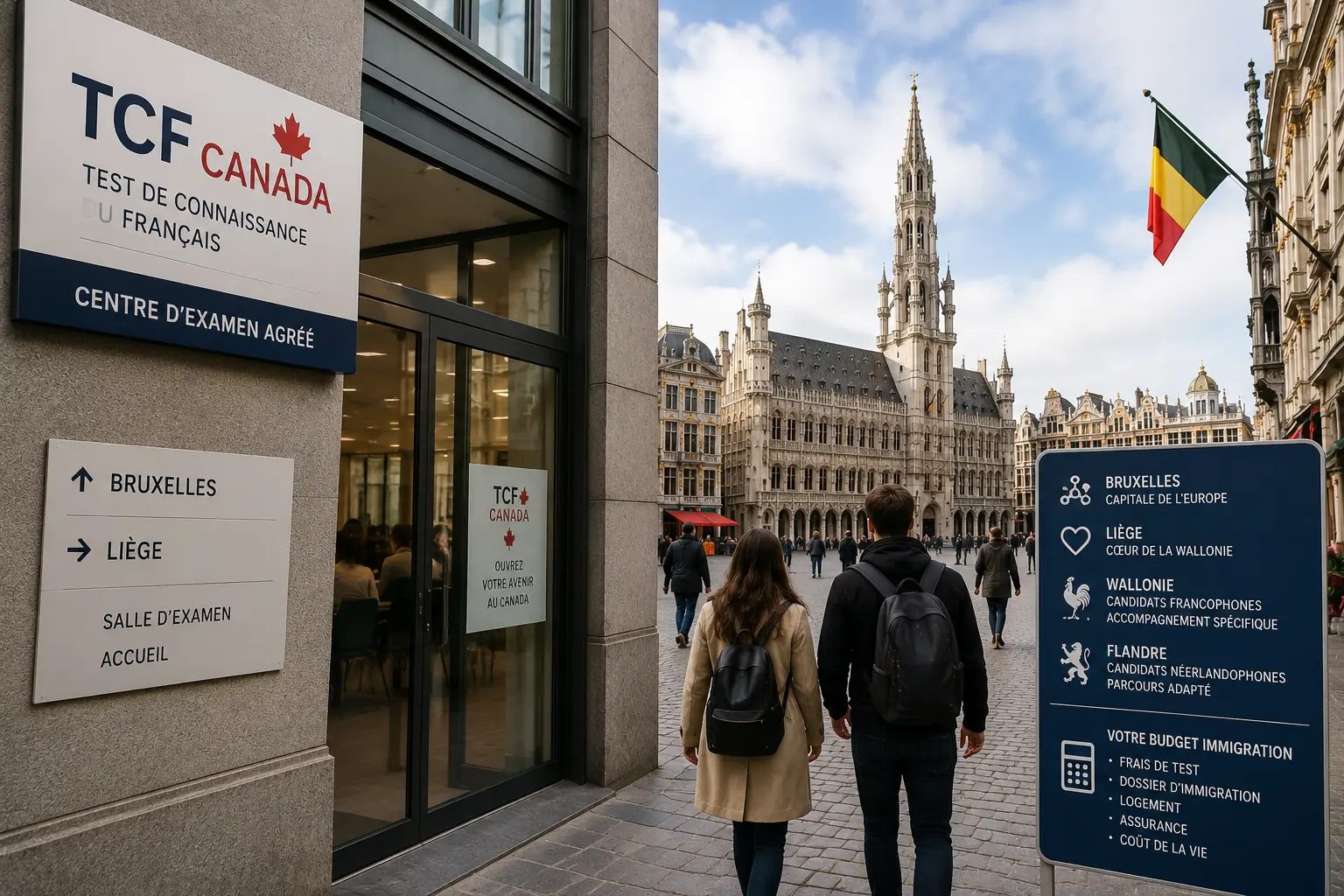
| Belgium | 2 centers (Brussels, Liège) | 2 times monthly | Francophone environment, well-organized facilities, good accessibility | High demand from French and Belgian candidates, competitive booking | €300-350 |
| Switzerland | 4 centers (Geneva, Lausanne, Zurich, Bern) | 2-3 times monthly | Excellent quality facilities, professional organization, reliable infrastructure | Very high costs reflecting Swiss prices (CHF 450-500), expensive accommodation | €420-480 |
| Germany | 2 centers (Berlin, Munich) | 1 time monthly | Good organization and technical quality, modern facilities | Limited French language support, potential language barrier for administration | €320-370 |
| Spain | 3 centers (Madrid, Barcelona, Valencia) | 1-2 times monthly | Pleasant climate, good value, growing French community | Variable facility quality, limited sessions outside major cities | €280-330 |
| Italy | 2 centers (Rome, Milan) | 1 time monthly | Cultural experience, reasonable costs, good organization | Infrequent sessions, language considerations for administration | €300-350 |
Strategic Considerations for International Testing:
Total Cost Analysis:
- Examination fees vary significantly (€280-€480)
- Add transportation costs (flights, trains, local transport)
- Include accommodation if overnight required
- Factor meals and incidental expenses
- Consider currency exchange rates and fees
- Total actual cost may exceed €1000 for some international options
Logistical Complexity:
- Travel time and fatigue considerations
- Time zone adjustments if crossing zones
- Risk of travel disruptions (strikes, weather, cancellations)
- Language barriers in non-Francophone countries
- Visa requirements for some nationalities
Quality and Reliability:
- France generally offers most centers and options
- Switzerland known for exceptional quality but very high cost
- Belgium offers good balance of quality, cost, and francophone environment
- UK convenient for residents but expensive
Overseas and International Testing Challenges
Candidates residing in overseas territories, distant international locations, or countries without local TCF Canada centers face particular logistical and financial challenges. Sylvie, a teacher in Guadeloupe who successfully relocated to Quebec, testifies to this complex reality: "Testing options were extremely limited in the Caribbean region, and necessary travel costs to reach the nearest authorized center represented a significant financial burden. I had to integrate these substantial additional costs and complex logistics into my overall immigration budget and planning timeline."
Specific Overseas and International Challenges:
Limited Availability and Access:
- Very infrequent testing sessions (quarterly or less in some regions)
- Extremely advance booking required (3-6 months)
- Limited capacity creating competitive booking environment
- Potential multi-year wait lists in underserved areas
Substantial Financial Implications:
- International flights to nearest center (potentially €500-2000+)
- Multi-day accommodation requirements
- Visa costs for some destinations
- Lost work income during travel
- Total cost can exceed €2000-3000
Time Zone and Cultural Adjustments:
- Significant time zone differences requiring adjustment
- Jet lag management for optimal performance
- Arrival several days early recommended for acclimatization
- Cultural and administrative differences in foreign centers
Strategic Recommendations for International Candidates:
- Book earliest possible date (sessions fill quickly)
- Build comprehensive contingency plans for travel disruptions
- Purchase travel insurance with exam cancellation coverage
- Arrive minimum 2 days before test for acclimatization
- Research multiple center options in different countries
- Consider combining test with other immigration procedures
Booking Strategy and Optimal Timing
Strategic Booking Timeline for Maximum Flexibility
Your examination booking timing directly and significantly influences your available choice options, scheduling flexibility, and preparation timeline alignment. Nicolas, a finance manager who successfully relocated to Vancouver, strongly recommends a substantial advance planning approach: "I strategically booked my testing place a full three months in advance of my target date. This early booking allowed me to choose my optimal test center from full availability, select my ideal testing date aligned with my preparation completion, and even choose the specific time slot that suited my personal peak performance hours best."
Optimal Booking Timeline and Action Plan:
3-4 Months Before Target Test Date:
- Research and Center Selection:
- Complete comprehensive investigation of potential centers
- Conduct reconnaissance visits to top candidates
- Analyze reviews and gather testimonials
- Make final center selection decision
- Preparation Timeline Alignment:
- Assess current skill level and identify gaps
- Calculate realistic preparation time needed
- Select target test date aligned with preparation completion
2-3 Months Before Test Date:
- Formal Booking and Registration:
- Complete online registration at chosen center
- Select optimal available date and time slot
- Pay examination fees securely
- Receive and save confirmation email
- Add test date to calendar with reminders
- Backup Options Identification:
- Identify 2-3 alternative centers and dates
- Monitor availability at backup locations
- Understand cancellation and rescheduling policies
1-2 Months Before Test Date:
- Logistical Confirmation and Arrangement:
- Book accommodation if traveling from distance
- Arrange transportation (flights, trains, etc.)
- Confirm all reservations with confirmations saved
- Purchase travel insurance if appropriate
- Administrative Preparation:
- Verify identification document validity
- Prepare copies of all required documents
- Review center's specific requirements and procedures
2-3 Weeks Before Test Date:
- Reconnaissance Visit (if feasible):
- Visit test center location in person
- Test travel route and timing
- Identify parking and nearby amenities
- Familiarize with area to reduce test day stress
- Final Preparation Intensity:
- Complete final practice tests
- Address remaining weak areas
- Prepare mentally for test day
1 Week Before Test Date:
- Final Confirmation and Preparation:
- Reconfirm all travel and accommodation
- Verify test center hasn't sent any updates or changes
- Organize all materials and documents
- Begin tapering intensive study (rest is important)
- Establish test day routine
Contingency Management and Backup Planning
Even with optimal, meticulous planning, unexpected contingencies and unforeseen problems can occur. Julie, an accountant from Lille who successfully relocated to Calgary, personally experienced this challenging situation: "My originally selected test center unexpectedly canceled the entire testing session due to technical infrastructure problems just two weeks before my scheduled examination date. Fortunately, because I had proactively identified alternative backup centers during my research phase, I was able to quickly reschedule at a different location without significant disruption to my immigration timeline."
Comprehensive Contingency Plan Components:
Backup Center Identification:
- Identify 2-3 alternative acceptable centers during initial research
- Monitor availability at these backup locations regularly
- Understand geographic and logistical implications of each option
- Know backup centers' contact information and booking procedures
Alternative Date Flexibility:
- Maintain flexibility on exact test date if possible
- Identify acceptable date range (e.g., 2-week window)
- Understand how date changes affect immigration timeline
- Be prepared to adjust travel plans if necessary
Emergency Contact Resources:
- Save test center phone number and email
- Have France Éducation international contact information
- Know center director or administrator name
- Maintain record of registration confirmation details
- Have backup contact for personal emergencies
Financial Protection Strategies:
- Understand center's cancellation and refund policy thoroughly
- Consider travel insurance with exam cancellation coverage
- Keep receipts for all immigration-related expenses
- Have emergency fund for unexpected rebooking costs
- Know credit card protection policies
Proactive Communication Protocol:
- Monitor email regularly for center communications
- Check center website for updates or announcements
- Confirm test details 1-2 weeks before date
- Respond promptly to any center requests
- Maintain documentation of all communications
Critical Contingency Principle: Hope for the best but plan for the worst. Having comprehensive backup plans doesn't indicate pessimism—it demonstrates strategic intelligence. The time invested in contingency planning provides invaluable peace of mind and practical protection against disruptions that could otherwise derail your entire immigration timeline.
Detailed Experience Testimonials and Success Stories
Stéphane's Exemplary Research Journey: From Investigation to Success
"I invested six intensive weeks in researching and identifying the optimal test center for my TCF Canada examination. This thorough, methodical investigation proved absolutely crucial to my ultimate success. I systematically evaluated eight potential centers across three different cities, conducted reconnaissance visits to my top three candidates, interviewed seven former test-takers about their experiences, and even called each center's administration to assess their professionalism and responsiveness. I finally selected the Lyon university center, renowned throughout the TCF community for its excellent organizational standards and consistently modern, well-maintained technical equipment. On test day, everything proceeded perfectly and professionally: welcoming, competent reception staff, completely reliable technical equipment without any glitches, and a calm, focused testing environment that allowed optimal concentration. This logistical serenity and environmental confidence allowed me to focus exclusively and completely on my test performance without any distracting worries about technical problems or organizational chaos. I obtained NCLC 8 across all four competencies, exceeding my target scores."
- Stéphane, Telecommunications Engineer, now in Vancouver
Stéphane's Research Methodology Breakdown:
| Week | Research Activity | Time Investment | Key Findings |
|---|---|---|---|
| Week 1 | Initial research and documentation review | 8 hours | Identified 8 potential centers; gathered basic information |
| Week 2 | Online review analysis and forum research | 6 hours | Narrowed to 5 candidates; identified common concerns |
| Week 3 | Former candidate interviews (7 people) | 5 hours | Eliminated 2 centers due to consistent negative feedback |
| Week 4 | Reconnaissance visits to top 3 centers | 12 hours | Assessed actual facilities; Lyon emerged as frontrunner |
| Week 5 | Detailed administrative inquiry and comparison | 4 hours | Confirmed Lyon's superior organization and equipment |
| Week 6 | Final decision and booking | 2 hours | Booked Lyon center with complete confidence |
Patricia's Cautionary Experience: Learning from Center Selection Failure
Patricia, a marketing manager, unfortunately experienced the critical importance of thorough center selection through painful personal experience that significantly impacted her test results: "I made the costly mistake of selecting the cheapest available center based solely on price consideration without conducting any additional research, reading reviews, or visiting the facility. On examination day, I arrived to discover severely outdated facilities that looked like they hadn't been renovated in decades, clearly untrained and unprofessional staff who couldn't answer basic questions, and recurring, disruptive technical problems that affected multiple candidates. I personally lost approximately 30 minutes of my allocated examination time due to computer crashes and software malfunctions, and my concentration and confidence suffered dramatically throughout the remainder of the test. My final score was approximately 40 points lower than my consistent simulation practice test results, directly attributable to the poor testing environment and technical disruptions."
Critical Lessons from Patricia's Experience:
- Price Should Never Be the Sole Selection Criterion:
- Lowest-cost centers often reflect infrastructure and organizational deficiencies
- Test center represents investment in immigration success, not expense to minimize
- Saving €50-100 on test fees is meaningless if it costs you NCLC points
- Consider total value (quality + reliability + environment) not just cost
- Prior Research Is Absolutely Crucial:
- Never rely solely on official promotional descriptions
- Conduct independent investigation through multiple sources
- Former candidate experiences provide invaluable reality check
- Invest minimum 10-15 hours in thorough center research
- External Reviews and Testimonials Are Precious:
- Consult multiple review sources (forums, social media, Google reviews)
- Look for consistent patterns across multiple reviewers
- Contact former candidates directly when possible
- Trust negative reviews more than promotional materials
- Personal Reconnaissance Visit Is Highly Recommended:
- Visit top candidate centers in person before booking
- Direct observation reveals realities websites conceal
- Assess actual equipment, cleanliness, professionalism
- Trust your intuitive impression of environment
- Backup Plan Is Indispensable:
- Always identify alternative centers before final booking
- Understand rescheduling and refund policies
- Monitor backup center availability regularly
- Be prepared to change plans if concerns emerge
Patricia's Subsequent Success: After her disappointing first attempt, Patricia invested significant time researching centers thoroughly. She chose a well-reviewed university center in Paris, paid slightly higher fees, and arrived for her retake completely confident in the environment. With identical preparation but superior testing conditions, she scored 85 points higher—the difference between NCLC 7 and NCLC 9 in multiple competencies. The lesson: environment matters tremendously.
Test Center Evolution and Future Trends
Technological Innovations and Continuous Improvements
Test centers continuously evolve and invest in improvements to enhance candidate experience and ensure test reliability, fairness, and security. Frédéric, an IT infrastructure manager at a major test center, explains these ongoing technological and organizational evolutions: "We continuously and systematically invest substantial resources in improving our technical equipment, physical facilities, and operational procedures. Our primary objective is guaranteeing an optimal, fair, and consistent examination experience for all candidates regardless of when or where they test. Technology upgrades, facility improvements, and process refinements are ongoing priorities."
Current and Emerging Center Innovations:
| Innovation Category | Specific Advantages | Current Deployment Status | Future Trajectory |
|---|---|---|---|
| Latest generation computer equipment | Dramatically increased performance, reliability, and user experience; faster processing; enhanced security | Premium centers and recent installations; approximately 40% of centers | Gradual rollout to all centers over 3-5 years |
| Professionally soundproofed examination rooms | Optimal concentration environment; elimination of external noise distractions; acoustic privacy | New purpose-built centers and major renovations; approximately 25% of centers | Standard feature in all new centers; retrofit in existing facilities |
| Cloud-based backup and recovery systems | Complete data security; automatic continuous backup; rapid recovery from technical failures | Broadly generalized across most centers; 90%+ adoption | Universal standard with enhanced encryption and redundancy |
| Real-time technical support and monitoring | Immediate problem identification; rapid issue resolution; minimal candidate disruption | Modern centers with adequate resources; approximately 60% of centers | Standard expectation for all authorized centers |
| Enhanced candidate relaxation and waiting spaces | Significant stress reduction; improved pre-test mental state; comfortable environment | Ongoing renovations and improvements; variable implementation | Recognized as important for candidate experience and performance |
| Advanced biometric security systems | Enhanced test security and identity verification; fraud prevention | Pilot programs in select high-volume centers | Gradual implementation for security enhancement |
Adaptation to Evolving Requirements and Candidate Expectations
Beyond technological upgrades, centers also continuously adapt their operational procedures to accommodate regulatory evolutions, changing health requirements, and evolving candidate expectations and needs. Isabelle, the director of a major Alliance française test center, provides this insider perspective: "We had to significantly and rapidly adapt our procedures and protocols to integrate new health safety measures during and following the pandemic period, while simultaneously maintaining the high quality of examination experience that candidates expect and deserve. This required substantial operational innovation, staff training, and facility modifications."
Recent and Ongoing Adaptations:
- Enhanced Health and Safety Protocols:
- Improved ventilation and air filtration systems
- Increased spacing between testing stations
- Enhanced cleaning and sanitization procedures
- Flexible policies accommodating health-related cancellations
- Accessibility Improvements:
- Better accommodations for candidates with disabilities
- Assistive technology integration
- Extended time options where appropriate
- Improved physical accessibility features
- Customer Service Enhancements:
- More responsive communication channels
- Detailed pre-test information and preparation guides
- Improved booking systems with better user interfaces
- Enhanced candidate support services
- Environmental Sustainability:
- Energy-efficient equipment and facilities
- Digital documentation reducing paper usage
- Sustainable facility management practices
Conclusion: Your Test Center as Success Partner
Choosing your TCF Canada test center represents far more than a simple logistical administrative decision—it constitutes a genuine strategic investment in your immigration success and your Canadian future. A carefully researched, thoughtfully chosen test center becomes your active partner in optimizing your testing conditions and maximizing your probability of obtaining your target scores and NCLC levels.
Julien's Final Reflection from Montreal: "I understood the critical importance of center selection only after experiencing my first examination failure in an inadequate, poorly-organized environment with unreliable technical infrastructure. For my second attempt, I invested significant time and financial resources to identify and select the best possible test center. This strategic decision proved absolutely determining: the optimal environment, impeccable organization, completely reliable equipment, and professional atmosphere allowed me to focus solely and exclusively on my test performance without any distracting anxieties about technical problems or organizational chaos. I obtained all necessary scores for my immigration application and am now thriving in my new Montreal career."
As Sophie perfectly articulates from her successful career in Ottawa: "Your selected test center directly and significantly influences your psychological state, confidence level, concentration quality, and ultimately your performance results on test day. An optimal testing environment provides confidence, serenity, and peace of mind, while an inadequate or problematic center can completely compromise months of dedicated preparation and studying. This critical selection decision genuinely deserves as much careful attention, thorough research, and strategic analysis as your actual content preparation and review strategy."
Your Strategic Action Plan:
- Begin Research Early: Start investigating centers 3-4 months before target test date
- Conduct Comprehensive Investigation: Use the five-phase methodology—documentary research, review analysis, testimonial collection, reconnaissance visits, comparative analysis
- Assess Multiple Criteria: Evaluate technical infrastructure, organizational quality, staff professionalism, physical environment, accessibility, cost-value relationship
- Visit Top Candidates: Personal reconnaissance visits to top 2-3 centers before final decision
- Develop Contingency Plans: Identify backup centers, understand cancellation policies, maintain flexibility
- Book Strategically Early: Reserve your place 2-3 months in advance for maximum choice
- Optimize Logistics: Plan transportation, accommodation, test day routine meticulously
- Communicate Proactively: Maintain contact with center; confirm details; address questions
- Arrive Prepared and Confident: Execute your planned routine; trust your preparation
Your search for the ideal test center begins at this moment. Each hour you invest in this strategic selection process represents a direct investment in your future Canadian success, your immigration timeline, and your professional opportunities. On your examination day, you will deeply appreciate having made this crucial decision with thorough research, careful method, and strategic intelligence rather than convenience or cost alone.
* * *
Laissez un commentaire
Votreadresse email ne sera pas publie. Les champs obligatoires sont marque avec *


 TCF Canada Hub
0 Commentaires
aucun commentaire
Soyez le premier a partager votre avis !